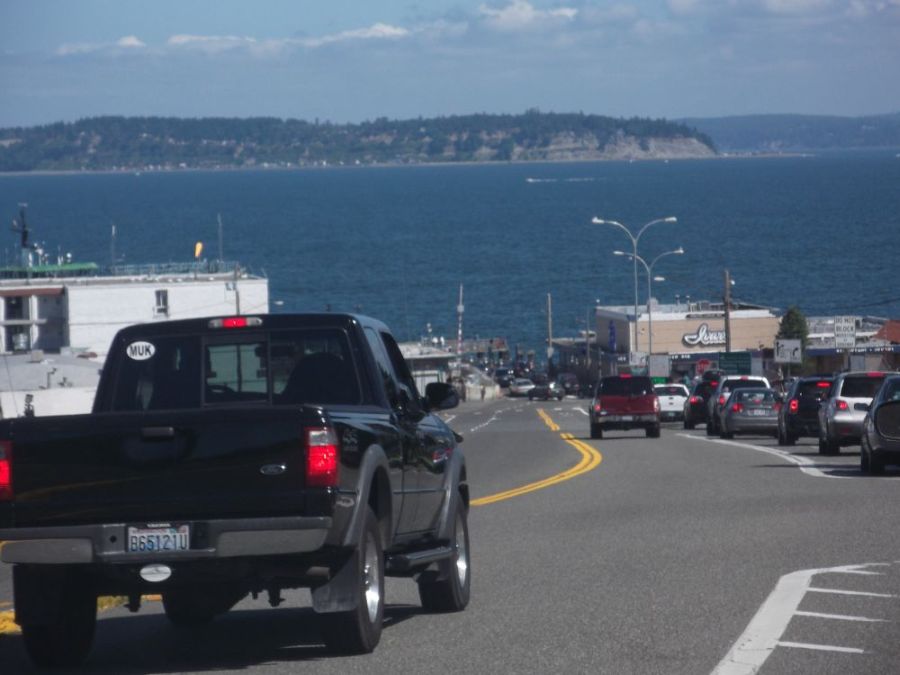
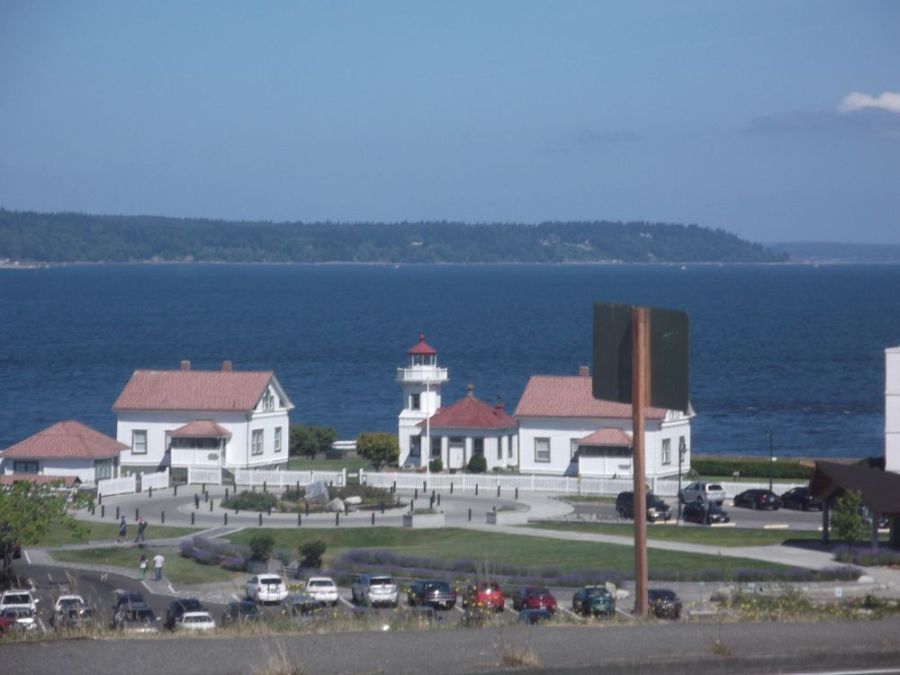
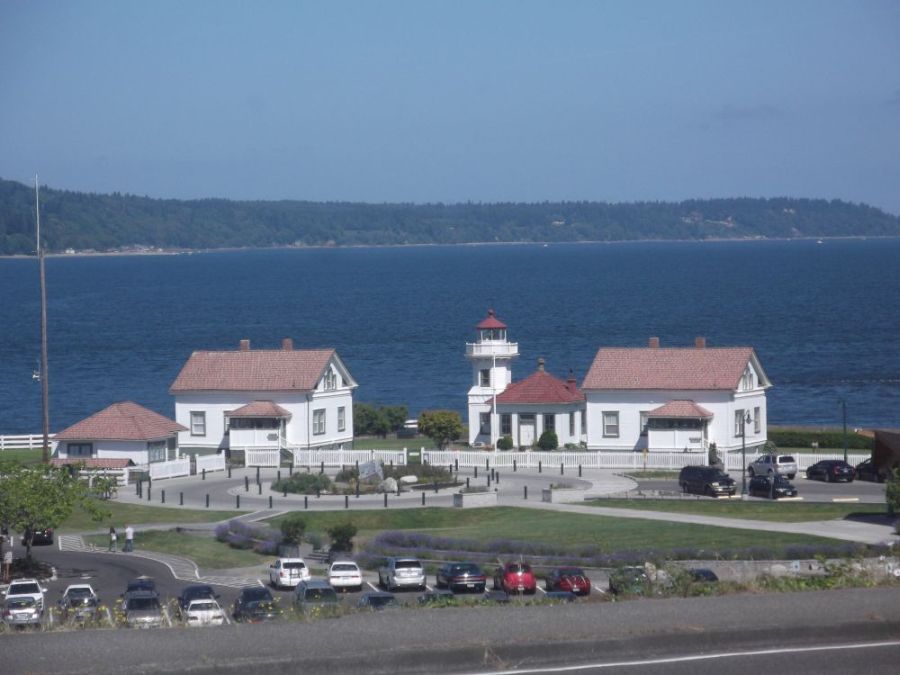
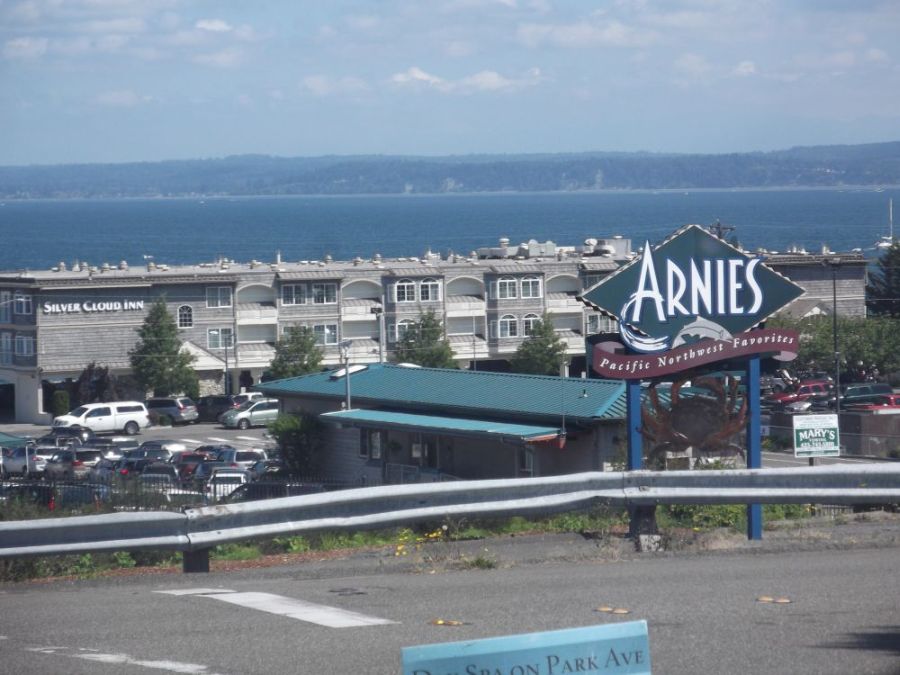
The longest island in the continental United States dramatic bluffs, historic forts, charming small towns, wild beaches, and the most spectacular views in Puget Sound
55 miLength longest island in lower 48
~80KYear-round residents
1792Named by Capt. George Vancouver
3State parks on the island
Washington's Island Treasure
Whidbey Island is one of Washington State's most captivating destinations a long, narrow island stretching 55 miles through Puget Sound from the dramatic narrows of Deception Pass in the north to the rolling prairies and ferry landing at Clinton in the south. It is the longest island in the continental United States, and its sheer length means it encompasses an extraordinary variety of landscapes, communities, and experiences within a single island.
The island has a character that is genuinely distinct from the mainland quieter, more deliberate, with a strong sense of place shaped by its maritime isolation, its farming heritage, its military history, and its long tradition of attracting artists, writers, and people who want to live differently. Small towns like Langley and Coupeville have nurtured independent galleries, excellent restaurants, and a community culture that feels refreshingly unhurried. The landscape alternates between dense Pacific Northwest forest, open Garry oak prairies, dramatic coastal bluffs dropping to pebble beaches, and some of the most expansive water views in the region.
Whidbey's dramatic coastal bluffs some rising 200 feet above the water offer some of the most expansive views of Puget Sound, the Olympic Mountains, and the Cascade peaks anywhere in Washington.
Landscapes Bluffs, Beaches & Prairie
What makes Whidbey visually extraordinary is the variety of its landscape within a relatively compact area. The island's western shore faces the Strait of Juan de Fuca and bears the full force of Pacific weather high bluffs, windswept beaches, and dramatic cliff faces characterize this side. The eastern shore faces the calmer waters of Saratoga Passage and has a gentler character rocky shores, tidal flats, and the long waterfront of Coupeville's Penn Cove. The island's interior alternates between dense second-growth Douglas fir and western red cedar forest, open Garry oak woodland, and the remnant prairie of Ebey's Landing National Historical Reserve a landscape type now vanishingly rare in the Pacific Northwest.
The island's open coastal prairies maintained for over a century by farming families meet the sea at dramatic bluffs that drop straight to pebble beaches below.
"Whidbey Island is what happens when the Pacific Northwest decides to be genuinely beautiful in every direction at once forest, prairie, bluff, beach, and water, all within a few miles of each other."
Ebey's Landing National Historical Reserve
Established in 1978, Ebey's Landing is the first and only National Historical Reserve in the United States a 17,400-acre area of central Whidbey that preserves an unbroken historical record of exploration and settlement from the 19th century to today. Working farms, historic blockhouses, coastal bluffs, and the small town of Coupeville are all within its boundaries. The reserve is managed not as a museum but as a living, working landscape farms still farm, residents still live here, and visitors walk the same bluff trails that indigenous peoples and early settlers traveled centuries ago.
Island Towns Character & Charm
Whidbey's towns are among its greatest assets each has a distinct personality, and all reward a slow walk and an unhurried afternoon.
Langley
The Village by the Sea · South Whidbey
Perched on a bluff above Saratoga Passage at the island's southern end, Langley is Whidbey's most polished small town a walkable main street lined with art galleries, independent bookstores, excellent restaurants, wine bars, and boutique shops. A whale bell sits at the edge of the bluff where residents ring it when orcas pass below. Population ~1,100. The annual Choochokam Festival of the Arts in July draws visitors from across the region.
Coupeville
Historic Seaport · Central Whidbey
One of the oldest towns in Washington State, Coupeville sits on Penn Cove a sheltered bay famous for its world-renowned mussels. The historic waterfront wharf, Victorian-era buildings, and the annual Penn Cove Mussel Festival make it a beloved destination. Coupeville is the Island County seat and sits at the heart of Ebey's Landing National Historical Reserve. The Central Whidbey Island Historic District is a National Historic Landmark.
Oak Harbor
Largest City · North Whidbey
The island's largest city (pop. ~23,000) is home to Naval Air Station Whidbey Island and has a more functional, urban character than the island's southern towns. Its waterfront City Beach Park, annual Holland Happening tulip festival, and proximity to Deception Pass make it a practical base for exploring the north end of the island. Downtown has improved significantly with newer restaurants and a growing arts scene.
Freeland & Clinton
South Whidbey Gateway Towns
Clinton (at the island's south tip) is where the Mukilteo ferry arrives and where most day-trippers from Seattle first set foot on Whidbey. Freeland, a few miles north, has grown into a pleasant small commercial center with coffee shops, restaurants, and access to Double Bluff Beach one of the island's finest off-leash dog beaches.
Fort Casey State Park History Carved in Concrete
Fort Casey is one of the most historically significant and visually dramatic sites on Whidbey Island a remarkably well-preserved coastal artillery fortification built in the 1890s as part of the "Triangle of Fire" harbor defense system protecting Puget Sound from seaborne attack. Together with Fort Flagler and Fort Worden across the water, Fort Casey's massive disappearing guns could lay down interlocking fire across Admiralty Inlet, the narrow strait through which any attacking warship would have to pass to reach Seattle or Bremerton.
The fort was never fired in anger no enemy warship ever entered Puget Sound. But the fortifications themselves are extraordinary: thick concrete gun emplacements, underground ammunition magazines, command posts, and observation towers, all set into the bluffs above Admiralty Head with sweeping views across the water to Port Townsend and the Olympic Peninsula. Walking through the labyrinthine corridors and gun batteries today is an experience that combines military history, dramatic architecture, and one of the finest viewpoints on Puget Sound.
The massive concrete gun batteries of Fort Casey built to defend Puget Sound from naval attack are remarkably intact after more than 125 years.
The "disappearing gun" emplacements were engineering marvels guns rose to fire over the parapet, then dropped behind the concrete walls to reload, invisible to enemy ships below.
"Standing inside the gun battery at Fort Casey, looking out through a concrete aperture at the same water that enemy ships were supposed to enter and never did is one of the most atmospheric historical experiences on Puget Sound."
The fort's observation towers, underground passageways, and gun mounts are all explorable bring a flashlight for the darker interior sections of the battery.
Fort Casey Key Features
Two restored 10-inch "disappearing guns" on original carriages among the few surviving examples in the US
Extensive concrete battery complex with tunnels, magazines, and command posts
Admiralty Head Lighthouse restored 1903 lighthouse with interpretive center
Sweeping views of Admiralty Inlet, Port Townsend, and the Olympic Mountains
Washington State Ferry dock the Port Townsend–Coupeville ferry arrives here
Campground adjacent to the park for overnight stays
The restored Admiralty Head Lighthouse sits adjacent to the gun batteries its Victorian grace is a remarkable contrast to the brutal functionality of the concrete fortifications beside it.
🔦
Exploring the Batteries
The concrete gun emplacements and underground magazines are open to self-guided exploration. Bring a flashlight some of the interior passages are genuinely dark. The labyrinthine corridors, ventilation shafts, and observation slits create an experience unlike anything else on the island.
🏠
Interpretive Center
The lighthouse interpretive center tells the story of the Triangle of Fire harbor defense system, the fort's construction and manning, and the curious history of guns that were never fired in defense. Open seasonally check Washington State Parks for current hours.
⛺
Camping
Fort Casey State Park has 35 campsites some with water views across Admiralty Inlet. Camping here puts you steps from the fortifications and within walking distance of the Port Townsend ferry dock. Reservations required in summer.
⛴️
Port Townsend Ferry Connection
The Washington State Ferry between Coupeville and Port Townsend departs from the dock at Fort Casey a 30-minute crossing of Admiralty Inlet that is one of the most scenic short ferry rides in the state. A perfect extension of a Whidbey Island day.
The fort's position on the bluff above Admiralty Inlet is strategically perfect and gives today's visitors sweeping views of the same waterway the guns were built to defend.
Every angle of Fort Casey rewards exploration the interplay of aged concrete, dramatic sky, and open water creates endlessly compelling compositions for photographers.
The view from the top of Fort Casey's gun batteries Admiralty Inlet stretching north toward the San Juan Islands, the Olympic Mountains across the water is worth the visit alone.
Deception Pass The Crown of the North End
At the island's northern tip, the twin 1935 steel bridges of Deception Pass span a dramatic 182-foot gorge where Puget Sound tidal currents surge between Whidbey and Fidalgo Island. Deception Pass State Park Washington's most visited state park encompasses both sides of the bridge and offers spectacular hiking, tide pool exploration, sandy beaches, and some of the most photographed scenery in the Pacific Northwest.
The pass itself is named by Captain George Vancouver, who named Whidbey Island in 1792 the same survey expedition that explored this entire coastline. Stand on the bridge during a tidal exchange and watch millions of gallons surge through the narrow channel at up to 8 knots. From the park's western headlands, views extend to the San Juan Islands and, on clear days, the Olympic Mountains and Vancouver Island.
Deception Pass State Park Quick Facts
4,134 acres · 38+ miles of trails · 182-foot bridge height · Washington's most-visited state park · Goose Rock summit trail (484 ft, 360° views) · North Beach swimming area · Bowman Bay (Fidalgo Island side, less crowded) · Camping year-round · Discover Pass required
Hiking & Trails
Whidbey Island's trail network spans habitat types from old-growth forest to windswept coastal bluffs to open prairie offering hiking experiences as varied as the island's landscape.
↑
Ebey's Landing Loop
3.5 miles · Easy–Moderate · Bluff & beach loop
The finest trail on central Whidbey a loop that climbs the dramatic coastal bluff above Ebey's Landing, follows the cliff-top prairie with sweeping views of the Strait of Juan de Fuca and Olympic Mountains, then descends to a driftwood-strewn pebble beach for the return. The views from the bluff are among the best on the island. Start at the Ebey's Landing trailhead near Coupeville.
Easy–ModerateBest views on islandNational Historical Reserve
↑
Goose Rock Perimeter Trail (Deception Pass)
3.6 miles · Moderate · Loop
Circumnavigates Goose Rock (484 ft), the highest point on north Whidbey. Old-growth forest, rocky ridges, and a 360° summit view Cascades east, Olympics west, San Juans north. The definitive Deception Pass hike.
Moderate360° summit views
↑
Fort Ebey State Park Trails
Various 1–5 miles · Easy–Moderate
Fort Ebey (a WWII-era coastal battery, younger sibling to Fort Casey) has an excellent trail network through Garry oak forest to dramatic bluff viewpoints above the Strait of Juan de Fuca. The Lake Pondilla trail is quiet and beautiful. Campground on site.
Easy–ModerateWWII history
↑
South Whidbey State Park Old-Growth Trail
1–4 miles · Easy
One of the last remaining old-growth forest stands on Whidbey Island massive Douglas fir and western red cedar trees that survived the logging era. A humbling and beautiful walk through cathedral-like forest. Short enough for young children, impressive enough for anyone.
EasyOld-growth forest
↑
Double Bluff Beach & Trail
Up to 4 miles · Easy · Beach walk
A wide, dramatic pebble beach at the island's south end with views across to Everett and the Cascades. Off-leash dog beach extremely popular on weekends with dogs and their people. Accessible from Useless Bay Road near Freeland.
EasyOff-leash dogs welcome
Penn Cove Mussels & Island Food
Whidbey Island's most famous culinary product is the Penn Cove mussel cultivated in the exceptionally clean, cold waters of Penn Cove near Coupeville since the 1970s. Penn Cove mussels are considered among the finest in the world plump, sweet, and consistently excellent. They appear on restaurant menus across the Pacific Northwest and are exported nationally. Eating them in Coupeville looking out at the very bay they were grown in is one of the island's finest experiences.
Penn Cove Mussel Festival March
Every March, Coupeville hosts the Penn Cove Mussel Festival a weekend celebration of the mussel harvest with cooking demonstrations, wine pairing, live music, and the opportunity to eat extraordinary quantities of freshly steamed mussels right on the waterfront wharf. One of the best small food festivals in Washington State.
🦪
Penn Cove Mussels
Available at restaurants throughout Coupeville and at the Penn Cove Shellfish retail shop. Classic preparation steamed in white wine, garlic, and shallots with crusty bread is the gold standard. Also available smoked, which makes an excellent island souvenir.
🍽️
Coupeville Restaurants
Toby's Tavern (waterfront, mussels and burgers, beloved institution), Front Street Grill, and several cafés along the main street make Coupeville the island's dining heart. The Oystercatcher is considered the finest restaurant on the island excellent Pacific Northwest cuisine.
🍷
Langley Dining & Wine
Langley has a sophisticated dining scene for its tiny size Prima Bistro (French-influenced, stunning water views), the Braeburn (local farm-to-table), and several wine tasting rooms. The village's Main Street is one of the finest restaurant-per-capita streets on any Pacific Northwest island.
☕
Coffee & Bakeries
Island-pace coffee culture is alive and well Useless Bay Coffee in Langley and Kapaws Espresso & Ice Cream in Coupeville are local institutions. The Whidbey Pies Café near Greenbank Farm serves outstanding pies made with island-grown loganberries.
Wildlife & Nature
Whidbey Island's location in the heart of Puget Sound and its diversity of habitats marine, estuarine, forest, and prairie make it one of the richest wildlife destinations in the Pacific Northwest.
🐋
Orca Whales
Southern Residents pass through Saratoga Passage; Langley's whale bell signals their arrival
🦅
Bald Eagles
Nesting throughout the island; over 200 winter eagles concentrated in January
🦭
Harbor Seals
Hauled out on rocks throughout Penn Cove and Deception Pass year-round
🐬
Dall's Porpoise
Fast-moving pods visible from ferry crossings and coastal viewpoints
🦢
Trumpeter Swans
Winter flocks in central Whidbey farmland fields spectacular December–March
🦉
Great Horned Owls
Common in the island's Douglas fir forest; vocal at dusk year-round
Visiting by Season
Spring
March–May: Penn Cove Mussel Festival (March), wildflowers, arriving migratory birds, smaller crowds. Langley arts scene active.
Summer
June–Aug: peak season best weather, beaches, whale watching, Choochokam arts festival (July). Ferry waits longer; book accommodations early.
Fall
Sept–Nov: harvest season, smaller crowds, stunning light on the bluffs. Langley Mystery Weekend in November. Excellent bald eagle watching.
Winter
Dec–Feb: trumpeter swans in farmland, 200+ bald eagles, moody coastal weather, empty trails. The island's most authentic, local-feeling season.
Getting There & Around
Ferry Routes
Mukilteo → Clinton (South Whidbey): 20-min crossing, frequent service daily
Port Townsend → Coupeville (Central Whidbey): 30-min crossing, less frequent check WSF schedule
From Seattle: drive north on I-5 to Mukilteo (~30 min) then ferry
From Anacortes: drive south over Deception Pass bridge no ferry needed
Washington State Ferries: wsdot.wa.gov/ferries check wait times before driving
Arrive 30–45 min early on summer weekends ferry can fill quickly
Getting Around the Island
Car essential the island is 55 miles long; distances are significant
SR-20 runs the length of the island from Clinton to Deception Pass
Plan 1.5–2 hours to drive end to end in summer traffic
Island Transit: free public bus service connecting major towns (yes, free)
Bicycle touring is popular relatively flat in the south, hilly in the north
Rideshare unavailable in most of the island plan accordingly
Where to Stay
Langley: B&Bs, boutique inns, and vacation rentals most atmospheric
Coupeville: historic inn, B&Bs, vacation rentals near the waterfront
Oak Harbor: chain hotels practical, affordable, near Deception Pass
State park campgrounds: Fort Casey, Fort Ebey, Deception Pass, South Whidbey
VRBO and Airbnb options throughout the island
Book well in advance for summer weekends and festival dates
Good to Know
Discover Pass required at state parks ($10/day or $30/year)
Cell service can be spotty in central and north Whidbey download maps
Gas stations in Langley, Freeland, Coupeville, and Oak Harbor
No traffic lights on the island south of Oak Harbor
The island stays on Pacific Time no quirks
Dogs welcome on most beaches; check rules at state parks (leash required)
Tour Guide Tips
⛴️
Take the Port Townsend ferry back
For a loop trip, arrive via the Mukilteo–Clinton ferry in the south and depart via the Coupeville–Port Townsend ferry from Fort Casey. This lets you see both ends of the island and two different ferry crossings and Port Townsend is an excellent bonus destination.
🔦
Bring a flashlight for Fort Casey
The underground ammunition magazines and interior battery passageways at Fort Casey are genuinely dark a flashlight transforms the experience from a quick exterior look to a full immersive exploration. Kids especially love the underground sections.
🌊
Hike Ebey's Landing at golden hour
The bluff trail at Ebey's Landing faces west the light in the hour before sunset is extraordinary, with the Olympic Mountains turning pink across the Strait. It's one of the finest late-afternoon hikes in the Pacific Northwest.
🦪
Order the mussels in Coupeville
Penn Cove mussels are available year-round, but eating them at Toby's Tavern on the Coupeville waterfront wharf looking directly at the mussel farm in Penn Cove is one of those perfect travel moments. Don't skip it.
🐋
Ask locals about the whale bell
In Langley, a whale bell on the bluff is rung when orcas are spotted in Saratoga Passage below. Stop in at any gallery or shop and ask if there have been recent sightings locals are enthusiastic about sharing whale news, and the passage from the bluff viewpoint is stunning regardless.
🕰️
Allow a full day or two
Whidbey is 55 miles long. A rushed day trip typically covers only one or two areas. For a satisfying visit, plan at least one overnight it lets you experience the island at its natural pace, which is one of its greatest pleasures.
Whidbey Island rewards every kind of traveler the history hunter at Fort Casey, the hiker on Ebey's bluffs, the foodie in Coupeville, the artist in Langley, and anyone who simply wants to sit on a driftwood log and watch the light change over Puget Sound.